
What Are the Most Common HVAC Problems in Waxahachie, TX, and How Can I Troubleshoot Them?
The most common HVAC problems in Waxahachie, TX include dirty air filters, poor airflow, thermostat issues, clogged condensate drains, refrigerant or coil problems, and systems that cycle frequently or fail to cool properly. Homeowners can safely check filters, thermostat settings, breakers, vents, and visible debris, but refrigerant, electrical, motor, and internal component problems should be diagnosed by a qualified HVAC technician.
At Wayne Price HVAC, we know how quickly an air conditioning problem can disrupt a North Texas home. Our team helps Waxahachie homeowners identify HVAC problems, determine what is causing them, and find an appropriate repair instead of simply treating the symptom. Whether your AC is blowing warm air during a hot afternoon or your heater is struggling when temperatures drop, our focus is dependable troubleshooting, quality workmanship, and straightforward customer care. Knowing which HVAC issues you can safely check yourself, and which ones need professional attention, can help you respond quickly while protecting your equipment.
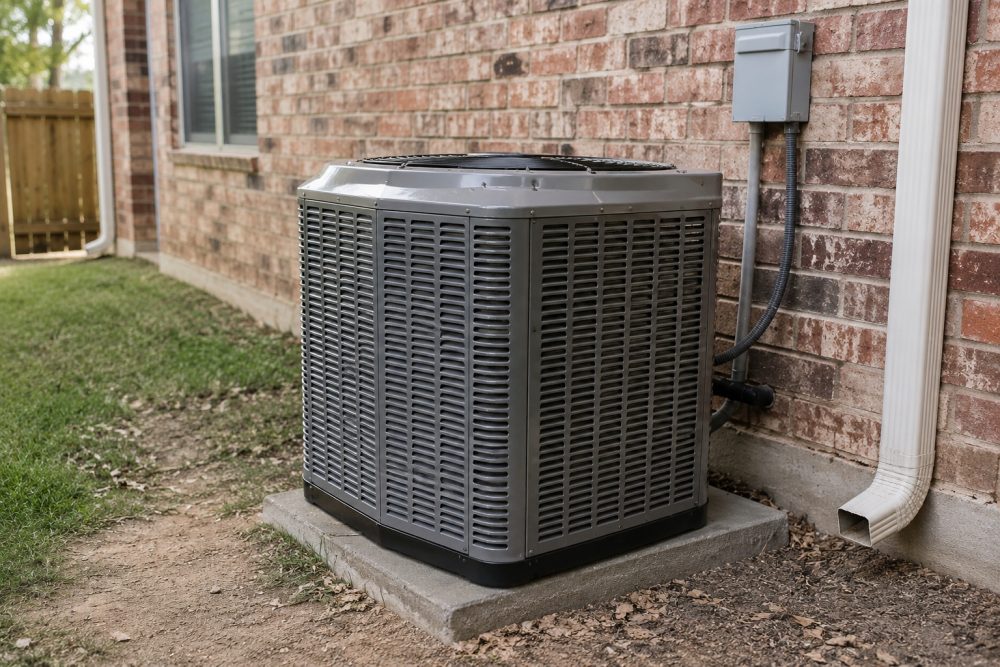
HVAC Troubleshooting Tips for Waxahachie Homeowners
Waxahachie’s climate puts heating and cooling equipment through substantial seasonal use. National Weather Service climate data for Waxahachie shows normal maximum temperatures of 93.9°F in July and 94.5°F in August. That extended summer heat means an AC system may spend long periods working to maintain comfortable indoor temperatures.
ENERGY STAR also notes that nearly half of the energy used in a typical home goes toward heating and cooling. Keeping an HVAC system operating correctly can therefore affect both comfort and household energy costs.
Why Is My AC Running but Not Cooling the House?
If your air conditioner is running but the house is not getting cool, start by checking airflow, the thermostat, and the outdoor unit.
A dirty air filter is one of the simplest possible causes. When the filter becomes clogged, airflow decreases and the HVAC system has to work harder. ENERGY STAR recommends checking filters monthly, particularly during heavy-use summer and winter months, and changing them when dirty. At minimum, filters should generally be changed every three months.
Before calling for AC repair, homeowners can safely check:
- Thermostat settings: Make sure the thermostat is set to “cool” and the desired temperature is below the indoor temperature.
- Air filter: Replace a visibly dirty or clogged filter with the correct type and size.
- Supply vents: Confirm vents are open and are not blocked by furniture, rugs, or other objects.
- Outdoor condenser: Look for leaves, grass, or debris obstructing airflow around the equipment.
- Circuit breaker: Check whether the HVAC breaker has tripped. If it trips repeatedly, stop resetting it and have the system inspected.
If the system continues blowing warm air, the cause may involve the compressor, refrigerant circuit, electrical components, coils, or another problem that requires professional testing.
What Causes Weak Airflow From HVAC Vents?
Weak airflow commonly results from a dirty filter, blocked vents, blower problems, dirty components, or issues within the duct system.
Start with the air filter and accessible registers. If airflow remains weak throughout the house after replacing a dirty filter and opening the vents, professional troubleshooting may be necessary.
This matters for more than comfort. According to ENERGY STAR, airflow problems can reduce HVAC system efficiency by as much as 15 percent. Professional maintenance includes checking and adjusting blower components to help maintain proper airflow.
Uneven temperatures can also indicate a larger home comfort issue. If one room is consistently warmer than another, the problem could involve ductwork, insulation, air sealing, system sizing, or airflow balance rather than the AC equipment alone.
Why Does My HVAC System Keep Turning On and Off?
An HVAC system that repeatedly starts and stops within unusually short periods may be short cycling.
Possible causes include:
- A clogged air filter
- Thermostat location or malfunction
- Airflow restrictions
- Electrical or control problems
- An oversized HVAC system
- Certain refrigerant or equipment problems
Do not ignore persistent short cycling. ENERGY STAR notes that oversized equipment can have a shorter life because rapid cycling creates excessive compressor wear.
A homeowner can check the filter and thermostat, but persistent cycling should be professionally diagnosed. Simply lowering the thermostat further will not correct an underlying mechanical problem.
Why Is Water Leaking Around My Indoor HVAC Unit?
Water around an indoor HVAC unit can be caused by condensate drainage problems and should be addressed promptly.
Air conditioning systems remove moisture from indoor air as part of the cooling process. That moisture must drain away properly. If the condensate drain becomes clogged or another drainage issue develops, water can accumulate around the equipment.
ENERGY STAR recommends having the condensate drain checked during professional HVAC maintenance because a plugged drain can contribute to water damage and indoor humidity problems.
If you notice water near your indoor equipment, do not assume it is normal condensation. Have the source identified, particularly if water is accumulating near electrical components, ceilings, walls, or flooring.
When Should I Stop Troubleshooting and Call an HVAC Technician?
Call an HVAC professional when basic checks do not solve the problem or when troubleshooting would require opening, testing, repairing, or modifying internal HVAC components.
Professional service is particularly important when you notice:
- Burning or unusual electrical odors
- Repeatedly tripped breakers
- Loud grinding, banging, or screeching noises
- Persistent short cycling
- Warm air after basic thermostat and filter checks
- Water leaking around HVAC equipment
- Ice forming on HVAC components
- A system that will not start
- Frequent repairs or rapidly worsening performance
Homeowners should avoid attempting refrigerant work, electrical repairs, compressor repairs, or internal furnace repairs themselves. ENERGY STAR’s professional maintenance guidance includes measuring motor voltage and current, checking electrical connections, inspecting refrigerant levels, cleaning coils, and examining heating components for safe operation.
Preventing Common HVAC Problems in Waxahachie
Preventive maintenance is one of the best ways to identify small HVAC issues before they turn into inconvenient breakdowns.
ENERGY STAR identifies dirt and neglect as leading causes of HVAC inefficiency and failure and recommends annual pre-season professional checkups. Cooling systems are best checked in spring before summer demand, while heating systems can be inspected in fall before colder weather arrives.
Waxahachie homeowners can also help their systems by:
- Checking the HVAC filter monthly during periods of heavy use.
- Keeping the outdoor unit clear of grass, leaves, and other debris.
- Keeping supply and return vents unobstructed.
- Paying attention to unusual sounds, odors, leaks, or changes in cycling.
- Scheduling routine HVAC maintenance before peak cooling and heating seasons.
Catching changes early can make troubleshooting easier and may reduce unnecessary strain on major HVAC components.
Frequently Asked Questions About HVAC Problems
What should I check first when my AC stops working?
Check the thermostat, air filter, circuit breaker, supply vents, and whether the outdoor unit appears to be operating. If those basic checks do not identify the problem, contact an HVAC professional rather than opening or repairing internal components.
Can a dirty air filter cause my AC to stop cooling?
Yes. A dirty filter restricts airflow and makes the HVAC system work harder. ENERGY STAR warns that dirty filters can increase energy costs, contribute to equipment damage, and potentially lead to early system failure.
Why is my AC struggling on hot days in Waxahachie?
Extreme outdoor temperatures increase the cooling load on your home, and Waxahachie historically experiences normal summertime maximum temperatures in the 90s. Poor airflow, dirty coils, duct leakage, insulation problems, equipment condition, or improper system sizing can make cooling problems more noticeable during hot weather.
How often should HVAC maintenance be scheduled?
ENERGY STAR recommends yearly HVAC tune-ups and suggests scheduling cooling-system maintenance in spring and heating-system maintenance in fall. Regular service helps identify airflow, electrical, drainage, coil, refrigerant, and other performance issues before peak seasons.
Need HVAC Troubleshooting in Waxahachie, TX?
When changing a filter or checking the thermostat does not solve the problem, Wayne Price HVAC can help identify what is actually happening with your heating and cooling system. From poor airflow and AC problems to leaks, unusual cycling, and unexpected breakdowns, our team is ready to help Waxahachie homeowners restore reliable indoor comfort. Contact Wayne Price HVAC today to schedule professional HVAC troubleshooting and repair in Waxahachie, TX.